
Root canal treatment
Root canal treatment and retreatment in Vilnius at SDC Clinic. At your consultation, the dentist assesses the tooth, explains treatment options and stages, and discusses the estimated cost. Kalvarijų g. 128A-2, daily 08:00–24:00.

What is root canal treatment?
Root canal treatment, also known as endodontic treatment, is one of the most important dental procedures that helps preserve severely damaged teeth. Most often, this treatment becomes necessary when the tooth nerve (pulp) becomes infected by bacteria due to deep decay, trauma, or other tooth damage. Local anaesthesia helps control pain during the procedure. Tell your dentist if you feel pain.
Root canal treatment helps avoid tooth extraction by removing infected or damaged pulp tissue and restoring the tooth’s function. Timely treatment can protect against more serious complications, such as gum inflammation or even damage to the bone tissue around the tooth.

What is the price of root canal treatment?
The cost of root canal treatment can vary depending on many factors, such as the complexity of the treatment, the condition of the tooth, and the materials required for the procedure. Although many patients may be concerned about the price, it is important to understand that endodontic treatment helps preserve your natural tooth and avoid its extraction.
First of all, the price depends on how many canals need to be treated. Each tooth has a different number of canals. Front teeth usually have one or two canals, while back teeth may have three or even four. Therefore, the more canals there are, the more complex and expensive the procedure becomes. The complexity of the procedure also affects the price. More complicated cases, such as infection, deep root damage, or curved canals, can increase the duration and cost of treatment. In addition, the materials used also influence the price. Root canal filling is performed using special materials, the quality of which also affects the cost.
Root canal treatment prices

Single canal filling
Filling of two root canals
Single canal retreatment

Dental treatment in installments when urgent care is needed
Unexpected toothache or injury often causes not only physical but also financial stress, as such situations require quick intervention and treatment costs can be quite high. That is why the option to receive urgent dental treatment in installments is extremely valuable for patients. When facing acute pain, dental injuries, infections, or other serious problems that require immediate treatment, paying in installments helps reduce the financial burden and ensures that patients can receive the necessary care right away instead of postponing treatment due to lack of funds.
In such situations, dental treatment in installments becomes an excellent solution, as patients can spread the treatment costs over several months or even longer if the amount is higher. This is especially important when expensive procedures are needed, such as dental implants, root canal treatment, or dental prosthetics. This payment option allows patients to receive treatment without worry exactly when it is vitally important, rather than waiting until they can afford to pay the full amount at once.

When is root canal treatment necessary?
Root canal treatment is necessary when the tooth pulp (the soft tissue inside the tooth) is damaged due to infection, trauma, or deep decay. If left untreated, the infection can spread and cause more serious complications, such as an abscess, gum inflammation, or other damage.
Deep decay
When decay reaches the tooth nerve, bacteria begin to attack the soft tissues, causing inflammation and pain.
Tooth trauma
A sudden impact or fracture can damage the tooth structure and open the way for infections to enter the root canals.
After repeated dental procedures
A tooth that has been filled or treated many times can become weaker, and the pulp may be damaged due to constant mechanical stress.
Other infections
An infection in the tooth can also develop due to long-term gum inflammation, which may spread into the root canals.

What is endodontic retreatment?
Endodontic retreatment is practically no different from standard root canal treatment. Most often, endodontic retreatment is performed due to poor-quality initial endodontic treatment. Retreatment is necessary when the primary endodontic procedure was done inadequately, the root canals were not fully cleaned or properly filled with sealing material, resulting in secondary inflammation.
In such cases, the old filling material is removed from the root canals, the canals are cleaned and shaped, and then refilled with new filling material. The tooth crown is restored with a filling or a crown.
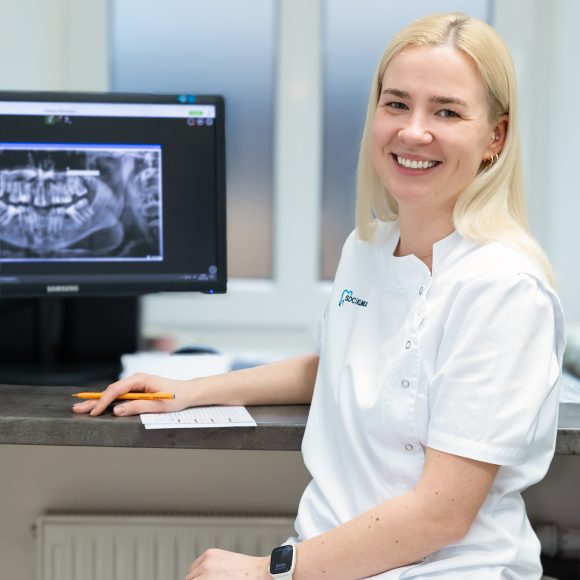
Contact a dental clinic if:
You are suffering from tooth pain
The pain may be strong and constant or occur periodically, especially when chewing or applying pressure to the tooth.
You are suffering from increased tooth sensitivity
Sensitivity to hot or cold drinks and food may be a sign that the pulp is damaged or infected.
Swelling or an abscess appears
Swollen gums, abscesses, or an unpleasant taste in the mouth may indicate that the tooth is severely infected.
By performing root canal treatment in time, it is possible to prevent the spread of infection and tooth extraction, therefore it is essential to consult a dentist as soon as possible if you experience the mentioned symptoms.

How is the root canal treatment procedure performed?
The root canal treatment procedure is carried out in several stages and is designed to remove infected tissue and prevent the spread of infection. Treatment uses modern techniques and local anaesthesia. Tell your dentist if you feel pain during the procedure.
Before starting the treatment, the dentist will take an X-ray to determine the extent of the damage and the specifics of the tooth structure. The procedure begins with local anesthesia to ensure patient comfort. Then the dentist opens the tooth to access its inner cavity and root canals. At this stage, special instruments are used to reach the infected part of the pulp.
Once the pulp is accessed, the dentist removes all infected or dead tissue. Using specialized tools, the root canals are thoroughly cleaned to eliminate all infection. It is important to ensure that all sources of infection are removed, so the canals are disinfected with special solutions. After cleaning, the dentist shapes the root canals so they can be properly filled. Shaping ensures that the filling material fits perfectly and prevents bacteria from entering the canals in the future. The canals are then filled with a special sealing material that ensures the tooth is airtight.
After the root canals are filled, the dentist restores the tooth’s function and aesthetic appearance. This can be done using a filling or by placing a crown if the tooth was severely damaged. This entire procedure ensures that the tooth is protected from further damage and can continue to function properly.
Our specialists working with root canal treatment

Roberta Jakštienė

Ayda Gužienė

Miranda Moničiūtė
Why is it important to treat root canals?
Untreated root canal inflammation can cause severe pain, infection, or even tooth loss. Timely treatment not only eliminates discomfort but also preserves the natural tooth, helping to avoid more complex and expensive procedures in the future.

Faster appointment booking
The entire visit planning process – from registration to follow-up – in just a few simple steps
Registration
Register through the clinic’s self-service system and provide all the necessary information
Appointment time selection
After registering, choose the most convenient time for your visit
Visit at the clinic
During the visit, the dentist will provide a consultation, create a treatment plan, and perform the necessary procedures
Report
In our clinic’s self-service system, you can always view detailed reports of all your appointments and visits
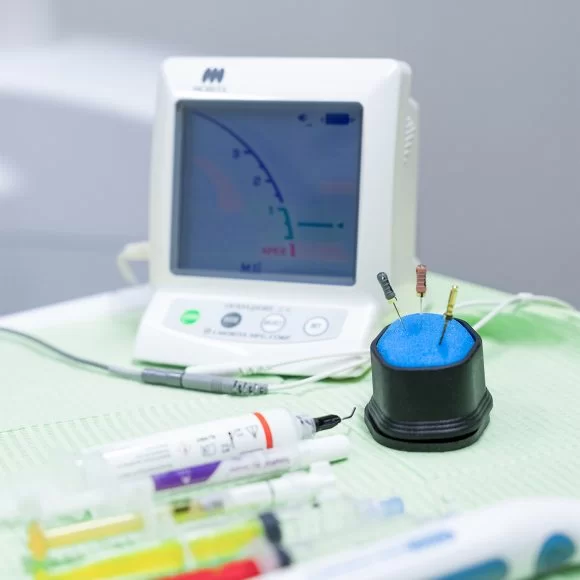
After both canal cleaning and filling, the following symptoms may occur
- Pain,
- Swelling,
- Sensitivity when biting or chewing.
Sensitivity and discomfort may occur after treatment and should gradually improve.
Use medicines as advised by your dentist or pharmacist, considering your health and other medicines.
Contact your dentist if pain or swelling increases or you develop a fever.
Avoid eating until the numbness from local anaesthesia has worn off.
Continue oral care and follow your dentist’s individual instructions.

What is important to know after root canal treatment?
After root canal treatment, teeth may be sensitive, but this is a normal process that lasts for a few days. Recommendations after treatment:
Avoid hard food for several days after the procedure. This will protect the tooth from excessive load and possible damage.
Use pain relievers if you feel discomfort after the procedure. Your doctor may recommend non-steroidal anti-inflammatory drugs to reduce pain and inflammation.
Maintain proper oral hygiene. Even though the tooth that had root canal treatment no longer has nerves, it is important to brush your teeth regularly and use dental floss to prevent new infections.
Monitor your symptoms. If you experience severe pain, swelling, or an abscess after the procedure, you must contact your doctor as soon as possible, as this may be a sign of infection.
Remember that a tooth that has undergone root canal treatment usually lasts for many years if properly cared for. It is important to visit the dentist regularly for preventive check-ups and maintain proper oral hygiene.

Contact a doctor if:
- The temporary filling has fallen out,
- Noticeable facial swelling has appeared,
- You have a fever.
Register for a free consultation
Registration by phone
Registration online
Working hours
I-VII 08:00-24:00
Address
Kalvarijų st. 128A-2, Vilnius
Frequently asked questions
What is root canal treatment?
It is a dental procedure designed to clean infected root canals, remove inflamed tissue, and prevent the spread of infection.
Does the tooth look natural after treatment?
Yes, the goal of tooth restoration is to achieve maximum aesthetic and functional similarity to a natural tooth. In some cases, additional restoration, such as a dental crown, may be required to achieve the best result.
Why is root canal treatment necessary?
To prevent further spread of infection, bone loss, pain, and the risk of losing the tooth.
Is root canal treatment painful?
Local anaesthesia helps control pain during root canal treatment. Some soreness or sensitivity may occur afterwards, and recovery varies from person to person. Follow your dentist’s aftercare advice and contact the clinic if pain increases or does not improve.
How long does a root canal procedure take?
The duration of the procedure depends on the condition of the tooth and the number of canals. Treatment of one canal may take about 1–1.5 hours. More complex cases, when several canals need to be treated or there is a severe infection, may take longer or require multiple visits.
Can you eat after root canal treatment?
After the procedure, it is recommended not to eat while the anesthesia is still in effect. Afterwards, choose softer foods so that the treated tooth is subjected to less pressure.
What are the possible side effects after root canal treatment?
Possible side effects include temporary tooth sensitivity, swelling, or discomfort, which usually pass quickly.
How should you care for the tooth after treatment?
You should maintain good oral hygiene, avoid hard foods, and visit your dentist regularly for preventive check-ups.
Is root canal treatment long-lasting?
Yes, properly performed treatment and proper aftercare can ensure that the tooth remains healthy and functional for a long time.
How much does root canal treatment cost?
SDC’s price list lists filling one root canal at €125, filling two canals at €195, and retreatment of one canal at €220. These are individual procedures, not the price of a complete course of treatment. Examination, cleaning, shaping and tooth restoration may be charged separately. The treatment plan and total estimate are discussed in advance.
Patient reviews
Our patients share their thoughts about their experience at the clinic
Egle J.
Arijelis J.
Gera klinika, visiškai neskaudėjo.
Rekomenduoju.
Arturas K.
Karolina S.
Ignas S.
Nuoširdžiai rekomenduoju Gyd. Mirandą Moničiūtę.
Švelni, girdinti, atsakinga, sąžininga!
Vertybės, kurias turėtų turėti kiekvienas gyd, deja. Džiaugiuosi pakliuvusi pas patikimą specialistę. Ačiū!
Vilnius
Daiva R.
Our news about root canal treatment
News, tips, and expert opinions – read all about it on our blog
Register for a consultation
We invite you to a consultation during which our doctors will answer all your questions and prescribe the necessary treatment for you.
