
Professional oral hygiene
Professional oral hygiene is the removal of dental plaque and tartar, as well as polishing of tooth surfaces and fillings. After the oral hygiene procedure, the dental hygienist teaches the patient how to care for their teeth properly, which tools to use and how to use them.

What is professional oral hygiene?
Professional oral hygiene is one of the most important procedures that helps maintain not only healthy teeth but also the overall condition of the oral cavity. Regularly performed professional oral hygiene not only prevents diseases such as tooth decay or periodontitis, but also helps ensure an aesthetic smile. Many people believe that daily tooth brushing at home is sufficient, however even with exceptionally thorough oral care it is impossible to completely remove plaque and accumulated tartar on your own. Therefore, oral hygiene is important for everyone, regardless of age, as it ensures that teeth and gums remain healthy for many years. In addition, regular performance of this procedure can reduce the need for more complex and expensive dental procedures in the future.

What is the price of a professional oral hygiene procedure?
The price of professional oral hygiene may vary depending on the complexity of the procedure. If the oral cavity is healthy and only simple preventive hygiene is required, the price may be lower. However, if more intensive cleaning is needed due to a large amount of tartar, the procedure may be more expensive. The price list lists repeat oral hygiene 2 weeks after the initial visit separately at €55, and fluoride varnish application to all teeth at €25. Professional oral hygiene in Vilnius at the SDC clinic costs 85 euros.
Professional oral hygiene prices

Oral hygiene
Repeated oral hygiene
Fluoride varnish application(all teeth)

Why is professional oral hygiene so important?
Although daily dental care at home using a toothbrush, interdental brushes, and dental floss is essential, it is not always possible to remove all plaque, especially in hard-to-reach areas. Over time, this plaque hardens and turns into dental calculus, which requires professional assistance to remove. Oral hygiene is necessary in order to:
Protect teeth from cavities.
Avoid gum diseases.
Protect against bad breath.
Maintain an aesthetic appearance of teeth.
Professional oral hygiene is especially important for those who wear orthodontic appliances (aligners or braces), as more plaque accumulates around them. It is also important for people who frequently consume coffee, tea, red wine, or smoke, as these habits contribute to tooth surface pigmentation.

How often is professional oral hygiene needed?
The frequency of professional oral hygiene depends on the individual patient’s needs and the condition of their oral health. Dentists usually recommend having the procedure every 6–12 months; however, in some cases—especially if the patient is prone to gum diseases or wears orthodontic appliances—the procedure may be needed more frequently, even every 3–4 months.
In addition, for those who smoke, drink a lot of coffee or tea, or are prone to increased plaque accumulation, it is recommended to have oral hygiene performed more often. Properly performed procedures help not only maintain oral health but also avoid more serious problems such as cavities, gum inflammation, and even tooth loss.

What problems can improper oral hygiene cause?
Improper oral hygiene or its absence can cause many serious oral cavity problems that may have long-term consequences.
Formation of dental calculus
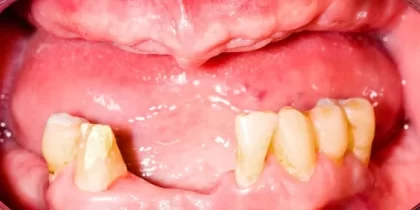
When teeth are brushed improperly or not brushed at all, plaque accumulates on the tooth surfaces, which over time hardens and turns into dental calculus. Dental calculus cannot be removed with a regular toothbrush and can cause gum inflammation and damage.
Gum inflammation
Gum inflammation manifests as redness, swelling, and bleeding of the gums. If left untreated, it can progress and damage not only the gums but also other tissues, eventually leading to tooth loss.
Tooth decay (caries)
Bacteria present in plaque break down carbohydrates and release acids that cause tooth decay. If caries is not treated in time, it can lead to inflammation of the tooth nerve and the need for complex treatment procedures such as root canal treatment or even tooth extraction.
Bad breath
Bad breath is often associated with improper hygiene. Bacteria that accumulate on the teeth and gums can cause an unpleasant odor.
Tooth loss
Long-term neglect of oral hygiene can lead to irreversible tooth damage and destruction of the jawbone structure, resulting in tooth loss. This can cause not only aesthetic discomfort but also impair chewing function and overall health.
Our specialists working with professional oral hygiene

Erika Vaitiekūnaitė

Viktorija Masilionienė
Is it painful to have oral hygiene performed?
Professional oral hygiene is usually not painful, but the sensation during the procedure may vary depending on the condition and sensitivity of the gums. If there is gum inflammation or increased sensitivity, slight discomfort may be felt; however, our specialists always strive to ensure that the procedure causes as little discomfort as possible.

Faster appointment booking
The entire visit planning process – from registration to follow-up – in just a few simple steps
Registration
Register in the clinic’s self-service system and provide all required data
Appointment time selection
After registering, choose the most suitable appointment time for you
Clinic visit
During the visit, the dentist will provide a consultation, create a treatment plan, and perform the required services
Report
In our clinic’s self-service system, you will always be able to see reports of all reservations and visits

How long does professional oral hygiene take?
How long oral hygiene takes depends on the condition of the patient’s oral cavity and the complexity of the procedure; however, it usually lasts from 30 minutes to 1 hour. If oral hygiene is performed regularly and there is not much plaque on the teeth, the procedure may take less time. However, if the patient has a lot of dental calculus or plaque, the hygienist may need more time to thoroughly remove all deposits.

Myth or fact: can oral hygiene damage teeth?
One of the most common myths about professional oral hygiene is that this procedure can damage or weaken teeth. This is completely false. In fact, professional oral hygiene not only does not damage teeth but also helps preserve their health.
During the procedure, special dental instruments are used that gently yet effectively remove plaque and dental calculus without harming the tooth surface. Modern technologies, such as ultrasonic devices, are designed to precisely and safely remove dental calculus, while manual instruments ensure that teeth are cleaned thoroughly and without damage.
Of course, some patients may experience tooth sensitivity after the procedure, but this is a temporary effect. Moreover, properly performed oral hygiene helps maintain healthy gums. If dental calculus and plaque are not removed, the gums may begin to bleed and inflammation may develop, which is why hygiene is extremely important in protecting gums from disease and damage.

How to understand that it’s already time to visit for oral hygiene?
Although professional oral hygiene is recommended regularly, every 6–12 months, certain signs may indicate that the procedure should be performed earlier. If you notice that your gums bleed when brushing your teeth or using dental floss, this may be a sign that gum inflammation has begun. In such cases, timely professional oral hygiene can help prevent more serious gum problems.
Also, if despite daily oral care an unpleasant odor remains in the mouth, this may be a sign that plaque or bacteria are accumulating. In such cases, professional hygiene helps restore oral cleanliness and eliminate bad breath. In addition, you should schedule oral hygiene if you notice plaque or dental calculus accumulating on the tooth surfaces. Remember that dental calculus not only worsens aesthetic appearance but also causes gum disease and tooth decay. And of course, for people who smoke or frequently consume coffee, red wine, or tea, the need for oral hygiene may be more frequent. These substances cause tooth stains and plaque that can only be removed with professional hygiene.
PROFESSIONAL ORAL HYGIENE PROCEDURES
Our works




Register for a free consultation
Registration by phone
Registration online
Working hours
I-VII 08:00-24:00
Address
Kalvarijų st. 128A-2, Vilnius
Patient reviews
Our patients share their thoughts about their experience at the clinic
Egle J.
Arijelis J.
Gera klinika, visiškai neskaudėjo.
Rekomenduoju.
Arturas K.
Karolina S.
Ignas S.
Nuoširdžiai rekomenduoju Gyd. Mirandą Moničiūtę.
Švelni, girdinti, atsakinga, sąžininga!
Vertybės, kurias turėtų turėti kiekvienas gyd, deja. Džiaugiuosi pakliuvusi pas patikimą specialistę. Ačiū!
Vilnius
Daiva R.
Frequently asked questions
Is professional oral hygiene painful?
In most cases, the procedure is not painful, however, some patients may experience discomfort, especially if the gums are sensitive or severely affected. If necessary, anesthetic gels or local anesthesia may be used.
Can teeth hurt after professional oral hygiene?
After the procedure, slight gum sensitivity or bleeding may occur, especially if oral hygiene has not been performed for a long time. However, these symptoms usually subside within a few days.
Can professional oral hygiene affect teeth whitening?
Although professional oral hygiene helps remove surface plaque and provides a feeling of cleanliness, it does not replace a teeth whitening procedure. If you want whiter teeth, you may consider teeth whitening after the hygiene procedure.
Do I need to follow special recommendations after the procedure?
After the procedure, it is recommended to avoid very hot or cold food and drinks, as the teeth may be more sensitive. Ask your hygienist about brushing after the procedure, especially if fluoride varnish was applied.
What is professional oral hygiene?
Professional oral hygiene is a procedure performed by a specialist during which dental plaque and calculus are removed, and tooth polishing is carried out.
Why is it necessary to perform professional oral hygiene?
It is necessary to prevent gum diseases and tooth decay, as well as to maintain dental aesthetics and overall oral health.
How often should I have professional oral hygiene performed?
Your clinician sets the interval individually according to your gum health, plaque buildup and risk factors. However, in some cases, depending on health condition and lifestyle, more frequent visits may be recommended.
Is professional oral hygiene a painful procedure?
For most patients, the procedure is painless however, in cases of increased tooth sensitivity or advanced gum disease, some discomfort may be felt.
Can I eat immediately after the procedure?
Eating and drinking restrictions depend on the products used. After fluoride treatment, follow the clinician’s instructions for the specific product.
Does professional oral hygiene ensure tooth whiteness?
The procedure removes surface pigmentation and may slightly improve tooth color, however, it is not a whitening procedure.
No special preparation is required.
No special preparation is required; however, it is recommended to thoroughly brush your teeth and clean interdental spaces with dental floss the day before.
Can I feel tooth sensitivity after the procedure?
In some cases, tooth sensitivity may increase; however, it should subside within a few days.
Does professional oral hygiene remove all dental calculus?
The cleaning needed depends on gum health and deposit location. Deeper periodontal pockets may need separate treatment and more than one visit.
Can professional oral hygiene damage tooth enamel?
No, professionally performed oral hygiene does not damage tooth enamel and is a safe procedure.
Our news about oral hygiene
News, tips, and expert opinions – read all about it on our blog
Register for a consultation
We invite you to a consultation during which our doctors will answer all your questions and prescribe the necessary treatment for you.
