
Dental implants
Dental implants in Vilnius, SDC clinic: OSSTEM implant – €700; MegaGen Blue Diamond – €720 in our price list. The abutment, crown and any additional procedures are discussed in your treatment plan. Kalvarijų g. 128A-2, daily 08:00–24:00.

What are dental implants?
Dental implants are a modern dentistry marvel, allowing a person to restore lost teeth that, in both appearance and functionality, are almost indistinguishable from natural ones. A dental implant is a small titanium screw that is surgically inserted into the jawbone and functions as an artificial tooth root. Titanium, the material used to make implants, is unique because it is biologically compatible with the human body – meaning it integrates easily with the bone, providing a strong and reliable foundation for the future dental prosthesis.
Implants can be used not only in cases of single tooth loss. They can also serve as a base for more complex structures, such as bridges or even the restoration of an entire row of teeth. This enables a person not only to regain an aesthetically pleasing smile but also to restore oral functionality, which is especially important for speech and chewing.

Dental implantation –
Dental implantation can restore missing teeth, but suitability and outcomes are assessed individually. Integration depends on oral health, bone condition, smoking and aftercare. Manufacturer warranty terms are discussed separately and do not guarantee the treatment outcome.
Dental implantation prices

MegaGen Blue Diamond implant
OSSTEM implant
Teeth on four implants (4 implants and temporary teeth)

Dental implantation on installment
The cost of implant treatment depends on the implant, abutment, permanent crown and any additional procedures. Discuss payment plan options and individual terms with the clinic administration after receiving your treatment plan.

How does the dental implantation procedure work?
Dental implantation is a carefully planned multi-stage procedure aimed at ensuring that the new implant integrates firmly and serves for many years. The process begins with a thorough consultation and diagnostics. During this stage, the implanting dentist examines the mouth, takes X-rays, or even performs a computed tomography scan to assess the condition of the bone, the health of the gums, and determine whether the implantation procedure is suitable for the patient.
Stages of dental implantation
First stage – implantation planning
The main step is to carefully plan exactly where the implant will be placed. This is done using computer technology, which allows for precise selection of the optimal location within the bone structure, ensuring successful integration and the functionality of the future tooth. In addition, professional oral hygiene may be required before the implantation.
Second stage – surgical implantation phase
Once the plan is prepared, the dentist can proceed to the surgical phase. During this stage, the dental implant (a titanium screw) is inserted into the jawbone. This procedure is performed under local anesthesia, so the patient experiences minimal discomfort. After the implant is successfully placed, the healing period begins, which can last for about 3–4 months. During this time, the implant fuses with the jawbone – a process called osseointegration.
Third stage – prosthetics
Once the dental implant has integrated (this period may take 3–4 months, or sometimes longer depending on the patient’s health condition), a special connecting element called an abutment is attached to it. This abutment serves as the base for an artificial dental crown, which is custom-made to match the patient’s tooth shape and color so that it perfectly resembles a natural tooth. Once the prosthesis is secured, the patient receives a fully functional, aesthetically pleasing tooth that looks and feels just like a real one.

When is dental implantation necessary?
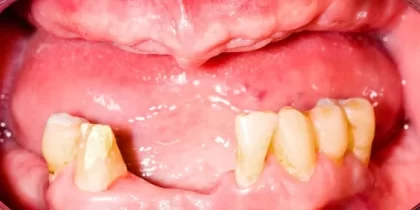
Dental implants may be needed in various situations when a person loses one or more teeth, or when tooth extraction is required for certain reasons. We can lose teeth due to decay, periodontal disease, injuries, or even genetic factors. Dental implantation becomes the best solution when the goal is to restore not only an aesthetic smile but also to maintain oral functionality.
When a patient loses a tooth and takes no action for an extended period, it can lead to serious consequences. In the place of the missing tooth, jawbone deterioration may begin. Over time, this can affect facial structure and cause other teeth to shift. Therefore, dental implants not only solve the aesthetic problem but also ensure that the oral structure remains healthy.
Dental implantation is an especially suitable solution in cases where one or several teeth are lost and a long-term result is desired, as implants can serve for many years or even a lifetime. In addition, they are an excellent choice for those who do not want or cannot use removable dentures, which may be uncomfortable, more difficult to maintain, and do not provide the same stability as implants.

What to do if all or most teeth are missing?
For patients who have lost all or the majority of their teeth, restoration can be achieved using the “Teeth on four implants” method. With this treatment approach, the entire set of jaw teeth is restored on just 4 implants. This method not only restores the aesthetic appearance of the mouth but also improves chewing function. Bone health and treatment outcomes depend on individual conditions, hygiene and long-term care.
Procedure time depends on the individual treatment plan. During the procedure, impressions are taken, and, if clinical conditions allow, within 24 hours temporary teeth are made, with dietary and chewing restrictions during healing as instructed by the dentist.
Teeth on four implants procedure stages
The “Teeth on four implants” dental implantation procedure is divided into two stages. The first is the surgical stage, during which the implants are inserted. The second is the prosthetic stage, during which permanent teeth are attached to the integrated dental implants.
First stage – surgical implantation phase
During the procedure, any remaining teeth (if present) are removed, and four implants are placed to create support for the full jaw prosthesis. In the front teeth area, 2 dental implants are fixed, and the remaining 2 implants are inserted at an angle in the region of the posterior teeth. During the implantation, the dentist takes impressions and sends them to dental technicians for the production of temporary teeth. Within 1–3 days after implantation, a temporary dental prosthesis is placed, which looks like real teeth and can be used for chewing food.
Second stage – prosthetics
Once the implants have integrated (after 4–6 months), the patient comes in for the placement of permanent dental prostheses. When the permanent prostheses are fitted, the full aesthetic appearance of the teeth is achieved, and the chewing function is fully restored.

Why choose “Teeth on four implants”?
A long-term restoration method; its lifespan depends on care and individual circumstances.
A non-removable construction – stable and comfortable, the prosthesis can replace natural teeth.
Implants may help support jawbone; the result depends on the individual condition.
Four implants are used; the total treatment cost is discussed individually.
Our news about dental implantation
News, tips, and expert opinions – read all about it on our blog
Frequently asked questions
When is dental implantation necessary?
Dental implantation is recommended when one or several teeth are lost and cannot be restored by other means. This is important not only for aesthetics but also for overall oral health, as tooth loss can lead to jawbone deterioration and changes in the position of the remaining teeth.
When is dental implantation not possible?
Implantation is not recommended for individuals whose jawbone has not yet fully developed (younger than 18 years), as well as for patients with certain chronic illnesses, and heavy smokers due to the higher risk of implant failure.
How to prepare for dental implantation?
Before implantation, a consultation with a dentist is necessary, during which a thorough oral examination is performed. Professional oral hygiene is also required.
What is the dental implantation process?
The implantation process is usually divided into several stages: the initial consultation and planning, the surgical placement of the implants, the healing period, and finally – prosthetics, during which crowns are attached to the implants.
How to care for teeth after dental implantation?
After the implantation procedure, it is important to follow the dentist’s instructions regarding oral hygiene, avoid intense physical activity and hard foods for a certain period. Smoking and alcohol should be avoided, as they may interfere with the healing process.
If I have lost most or all of my teeth, is it possible to restore them with implants?
Yes, in cases of the loss of all or almost all teeth, the “Teeth on four implants” or similar methods are used, allowing the restoration of the entire row of teeth on several implants.
Is the implantation procedure painful?
Local anaesthesia is usually used for the procedure. Afterwards, pain, swelling or tenderness may occur; your dentist will explain how to manage them. Contact the clinic if symptoms worsen or you develop concerning signs.
How long does treatment with implants take?
The full treatment duration with permanent prosthetics can range from a few months to half a year or longer, depending on the individual case.
What is the cost of dental implants?
Our price list lists an OSSTEM implant at €700 and a MegaGen Blue Diamond implant at €720. The total cost of restoring a tooth also depends on the abutment, crown and any additional procedures. At your consultation, we prepare an individual plan and explain what the price includes.
Which factors affect implant integration?
Implant integration cannot be guaranteed. Treatment planning, oral hygiene and follow-up can help reduce risks, but results depend on individual health and healing. Your dentist will discuss possible complications before the procedure.
Patient reviews
Our patients share their thoughts about their experience at the clinic
Egle J.
Arijelis J.
Gera klinika, visiškai neskaudėjo.
Rekomenduoju.
Arturas K.
Karolina S.
Ignas S.
Nuoširdžiai rekomenduoju Gyd. Mirandą Moničiūtę.
Švelni, girdinti, atsakinga, sąžininga!
Vertybės, kurias turėtų turėti kiekvienas gyd, deja. Džiaugiuosi pakliuvusi pas patikimą specialistę. Ačiū!
Vilnius
Daiva R.
Register for a free consultation
Registration by phone
Registration online
Working hours
I-VII 08:00-24:00
Address
Kalvarijų st. 128A-2, Vilnius
DENTAL IMPLANTATION WORKS
Our works




Interested in dental implantation?
We will restore the beauty and functionality of your smile! Book a consultation now!

Our specialists working with dental implantation

Frederikas Palesikas

Abanob Jamal Yousif Mangiryous

Oral care after implantation
After dental implantation, it is very important to follow certain care rules to ensure that the implant integrates successfully and lasts for a long time. The dentist will provide clear instructions on how to properly care for the implant during the first days after surgery. It is important to avoid hard foods during the initial period after the procedure to reduce pressure on the jaw. Hot, cold, or spicy foods should also be avoided to ensure faster wound healing.
Oral hygiene is also extremely important. Teeth should be carefully cleaned with a toothbrush and dental floss to prevent infections. The dentist may recommend special mouth rinses that help reduce the risk of inflammation. It is also important to visit the dental clinic regularly after implantation – the dentist will monitor the condition of the implants and detect any possible complications in time.
Although complications are rare, it is important to be aware of the risks. One of the most common complications is infection, which may occur if bacteria enter the wound after surgery. However, infection can be avoided by following hygiene recommendations and using the medications prescribed by the dentist. Another complication is implant rejection, but this is extremely rare.

Recommendations after the implantation procedure
- In the first days after implantation, hot, hard, and spicy foods should be avoided.
- For patients who smoke, it is recommended to refrain from smoking for 1–2 weeks, as smoking slows down the wound healing process and increases the risk of infection.
- For 3–4 days after the procedure, avoid intense physical activity, swimming pools, and saunas, and do not stop prescribed blood-thinning medication on your own. Discuss any medication changes with the prescribing doctor and your dentist.
- In the first days after implantation, it is important to touch the implanted area as little as possible (with the tongue, toothbrush, etc.).

Advantages and disadvantages of dental implants
Dental implants can restore appearance and chewing function after tooth loss. The implant is secured in the jawbone and supports a crown or another prosthesis. Compared with removable dentures, it usually feels more stable. Results depend on oral health, the treatment plan and aftercare.
With appropriate hygiene and regular check-ups, implants can serve for many years. The prosthesis on an implant is selected to match adjacent teeth. Implantation may help support bone in the area of a missing tooth, but individual treatment options are assessed after diagnosis.
There are limitations: the cost may be higher than for some other restoration options, and integration takes time. Additional procedures, such as bone grafting, may be needed. As with any surgical procedure, complications can occur; your dentist will discuss the risks and suitable treatment at your consultation.
Faster appointment booking
The entire visit planning process – from registration to follow-up – in just a few simple steps
Registration
Register through the clinic’s self-service system and provide all the necessary information
Appointment time selection
After registering, choose the most convenient time for your visit
Visit at the clinic
During the visit, the dentist will provide a consultation, create a treatment plan, and perform the necessary procedures
Report
In our clinic’s self-service system, you can always view detailed reports of all your appointments and visits
Register for a consultation
We invite you to a consultation during which our doctors will answer all your questions and prescribe the necessary treatment for you.
